




Diagnostics: The End of Coaching Improvisation and Subjective Assessments
Ico Humic · 8 min read
The question of "what and how much to train" is only asked by a small circle of high-quality coaches. The others don't ask—they improvise. Unfortunately, in our profession, improvisation isn't creativity; it’s a reliance on luck and the hope that the player will somehow reach the goal.
When the process is based on "feeling," the player is the one who eventually pays the price. Later—often too late—they are faced with the fact that they lack fundamental qualities and, most importantly, knowledge about their own game.
Why We Move Away from Subjective Opinion
Every coach has a subjective view of certain player dimensions. That is human, but in a serious training process, it is dangerous. Subjective thinking can always be called into question.
Diagnostics is the only path to progress where we do not guess. Through it, we establish factual states: exactly how good we are in which element. Only when we exclude subjectivity can we track the actual development of abilities. This is the task of the entire team surrounding the player—to ensure that these abilities develop evenly.
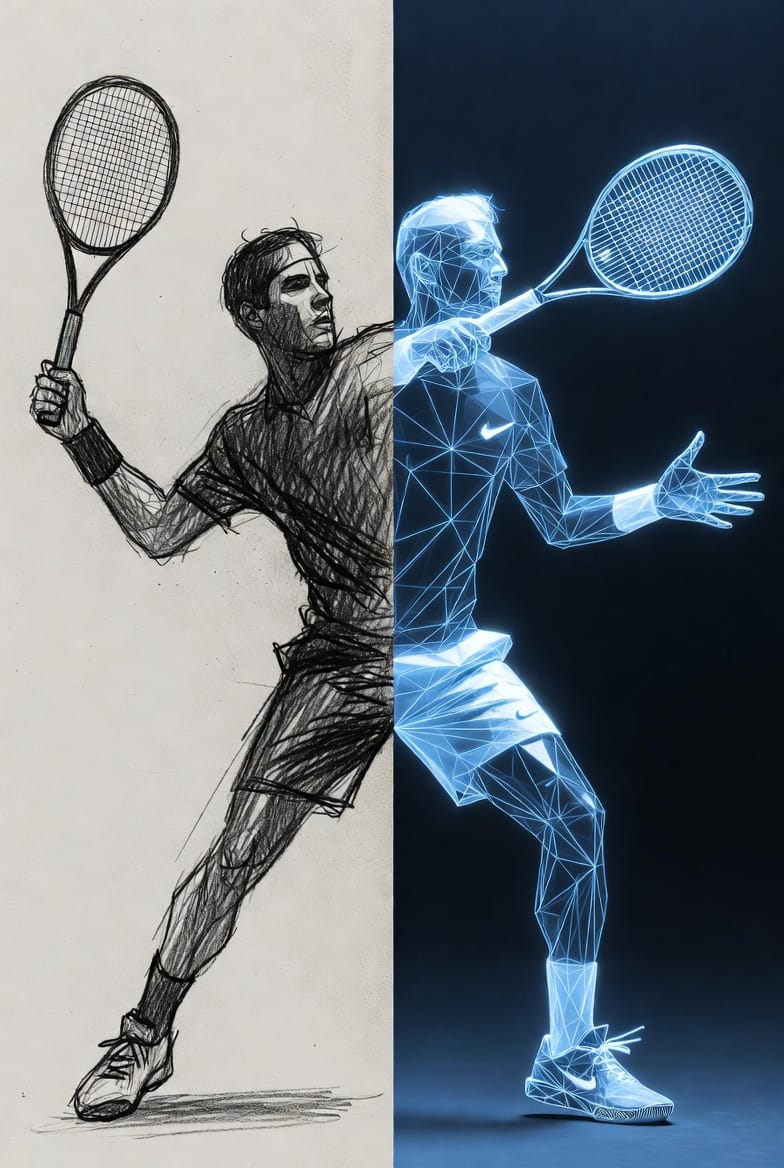
Comprehensive Testing: More Than Just Technique
When I talk about diagnostics, I don’t just mean how someone hits a forehand or how fast they run. It is much broader:
Functional Abilities and Health: This is point zero. We must first know if we can even approach serious work.
Psychomotor and Mental Abilities: A realistic representation of the state of the mind and body under stress.
Technical-Tactical Knowledge: How the player navigates defensive systems and how they finish points.
The Triangle: Coach – Parent – Player
A problem I often encounter is the lack of education among parents and players, which prevents them from asking the right questions. A parent’s question usually is: "How is my kid doing?", and the typical coaching response is: "We’re training well, he’s working hard, we’re progressing."
That is an answer that says nothing. Quality questions are:
In what exactly am I progressing?
What have we improved in the last three months?
Based on which testing results did we plan this cycle?
The "Gap Filling" Strategy
Planning a training process is simple logic, but difficult practice: we must train those dimensions that are worse more, and those that are good—less.
This ensures constant progress and "plugs the holes" that make a player weaker. Balancing abilities means becoming a complete player. It means having more weapons, both in defense and in attack.
Conclusion: Maximum Effort is Not Enough
The phrase "he gave his all, he burned out on the court" is the most common consolation for failure. But giving your maximum while not doing what is actually necessary gives no chance for success.
Failure often lies in the lack of a plan and program. If you don't know exactly what and how much you are doing, you are actually just hoping. and high-level tennis does not tolerate hope as a method of work.
"Today I want, I will and I can, and I will certainly be better than yesterday. That is the motto of the best".
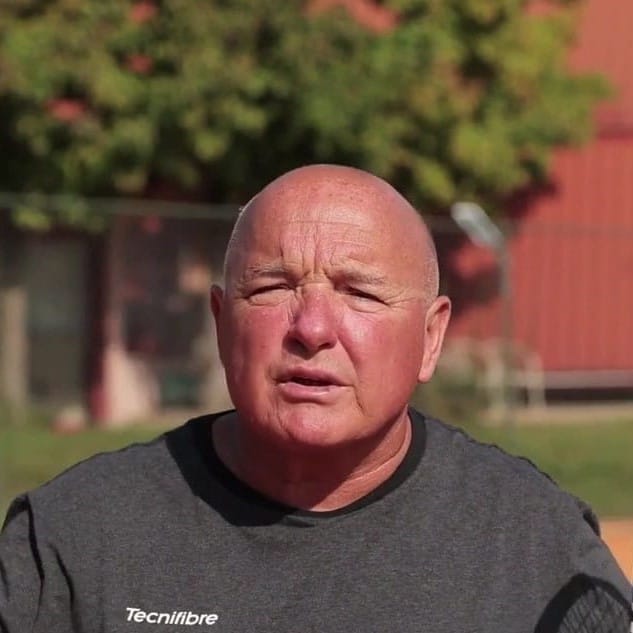
Ico Humic
Head Coach & Founder of Humic Tennis Education. 40+ years of elite coaching experience. University lecturer at the Faculty of Kinesiology, University of Zagreb. National Junior Selector, Croatian Tennis Federation. Alumni: Marin Čilić (ATP Top 10), Silvija Talaja (17 WTA).
Popular posts
By HTE on Feb 16, 2026
By HTE on Feb 16, 2026
About this blog
Practical knowledge from 40+ years of elite tennis coaching. For coaches, parents, and serious players who want to understand the full picture.


NEWSLETTER
Get practical tennis insights delivered to your inbox. Coaches, parents, and players.
© 2026 Humić Tennis Education. All rights reserved.